Author: rudrrishi786

  • How to Stay Safe in Web3: Essential Security Tips for Every User

    crypto wallet

    Why Web3 Security Matters

    As the Web3 ecosystem rapidly expands, it’s ushering in a new era of digital ownership, decentralized finance (DeFi), and blockchain-powered applications. But with innovation come responsibility and risks. From phishing attacks and crypto wallet breaches to smart contract vulnerabilities and rug pulls, threats in Web3 are real and growing. Unlike Web2, there’s no “forgot password” button or centralized authority to recover your stolen crypto.

    To thrive in this decentralized world, users must adopt a security-first mindset. In Web3, you are your own bank, your own support system, and your own line of defense. That means taking full responsibility for your crypto wallet, digital identity, and financial transactions. There are no centralized authorities to fall back on in case of mistakes or hacks. This guide covers essential Web3 safety practices, from securing your wallet and avoiding scams to using the right tools, so you can protect your crypto assets and stay secure in the ever-evolving blockchain frontier.

    Guard Your Crypto Wallet Like Your Life Depends on It

    Your crypto wallet is the foundation of your Web3 journey. Whether you’re using MetaMask, Trust Wallet, or a hardware wallet like Ledger, treat it like your online bank vault.

    • Never share your seed phrase or private key with anyone, ever.
    • Avoid storing sensitive information on your phone or cloud.
    • Instead, write it down and store it offline in a secure place.

    Your crypto wallet is your identity in Web3. A small mistake here can cost you everything.

    Don’t Just Click, Verify Before You Connect

    With exciting NFT drops and new DeFi protocols launching daily, it’s tempting to jump right in. But scammers prey on this excitement by creating fake websites and malicious contracts.

    • Always double-check URLs and only connect your wallet to verified platforms.
    • Avoid clicking on suspicious links from social media or unknown sources.
    • Never approve token access you don’t understand; “infinite approvals” can drain your wallet instantly.

    Caution is your best friend in Web3. If in doubt, don’t sign.

    Scams Are Evolving; Stay a Step Ahead

    From fake airdrop scams to impersonators posing as support teams in DMs, the types of Web3 scams are endless.

    • Only trust announcements from official project channels.
    • No legitimate platform will ever ask for your private keys.
    • Use safety tools like ScamSniffer, Wallet Guard, or browser extensions designed to detect phishing attempts.

    A few seconds of extra verification can save you from losing thousands.

    Keep Your Tools Updated and Use the Right Tech

    Web3 security goes beyond your wallet; it includes your browser, device, and even your internet connection.

    • Regularly update your crypto wallet apps and browser extensions.
    • Use a secure browser and consider adding phishing detection extensions.
    • For added security, use a VPN, 2FA, and even separate wallets for different networks or activities.

    Tech is your ally—use it wisely.

    Spread Your Risk: Use Multiple Crypto Wallets & Cold Storage

    Don’t keep all your digital eggs in one basket. Smart users diversify where and how they store their assets.

    • Use multiple crypto wallets: don’t put your entire liquidity on one platform.
    • Keep your high-value assets in a cold wallet (offline storage).
    • Always back up your seed phrases and store them securely offline.

    In Web3, security isn’t just technical; it’s also strategic.

    Final Thoughts: In Web3, You Are the Security

    Web3 is empowering, but it demands caution. Staying safe doesn’t require technical expertise, just awareness and good habits. Make security a daily routine, not a one-time checklist.

    Because in this decentralized world, you are your own bank, your own customer support, and your own safety net. The freedom is worth it, but only if you’re prepared.
  • What Is Blockchain and How Does It Work? A Beginner-Friendly Guide

    blockchain

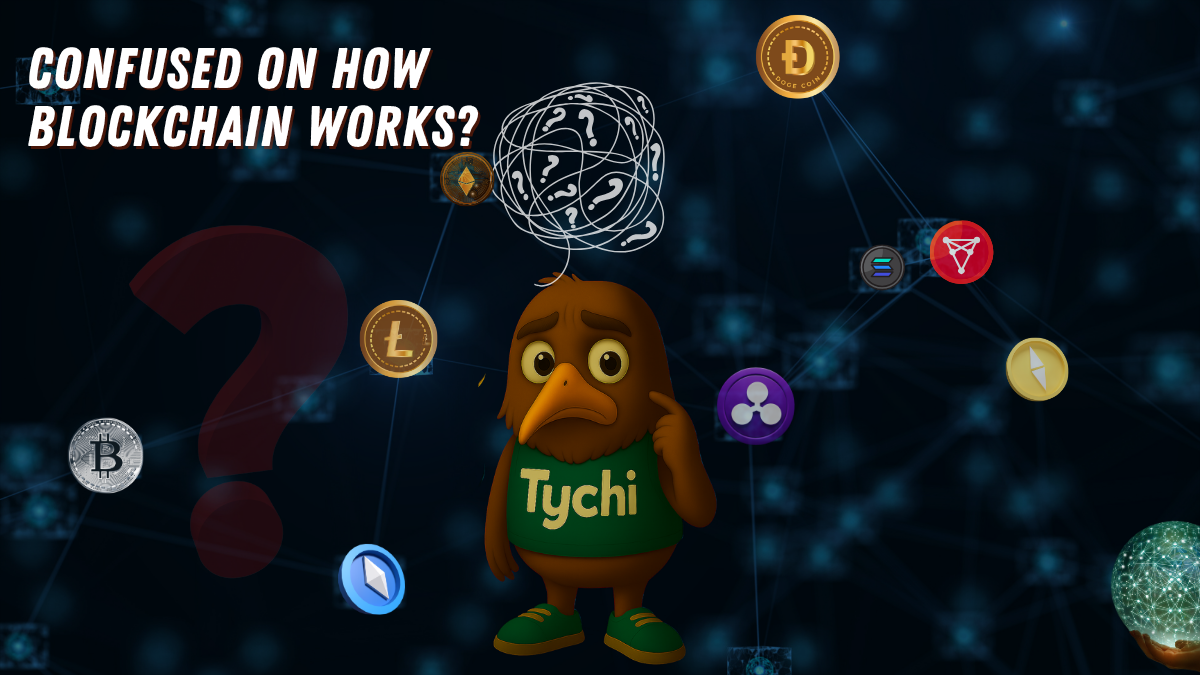
    Blockchain has become one of the most talked-about innovations in the digital world—but what exactly is it, and why is it considered so revolutionary? Whether you’re curious about cryptocurrencies or interested in how data can be securely stored and shared, understanding blockchain is an excellent first step into the future of digital technology.

    What Is Blockchain?

    At its core, it is a type of digital ledger—a system for recording data in a way that is secure, transparent, and decentralized. Unlike traditional databases managed by a central authority, it operates on a distributed network of computers (also known as nodes). Every participant in this network holds a copy of the ledger, which means the data is not only widely accessible but also extremely difficult to alter without detection.
    Once a piece of information is recorded on the blockchain, it becomes virtually immutable—meaning it cannot be changed or deleted without the consensus of the entire network. This makes it an ideal solution for securely storing sensitive or valuable data.

    How Does Blockchain Work?

    Information in a blockchain is organized into digital containers called “blocks.” Each block contains a set of records—such as transaction details—a timestamp, a cryptographic identifier known as a hash, and a reference to the hash of the previous block. These blocks are linked together chronologically, forming a secure and verifiable chain.

    This design ensures that if any data within a block is tampered with, it will break the link with the next block, alerting the network to the change. This built-in resistance to manipulation is one of the most powerful features.

    The Role of Consensus


    Before a new block can be added to the chain, the network must validate the transaction using a process known as consensus. This means that the majority of participants must agree that the transaction is legitimate. Depending on the blockchain protocol, this may involve mechanisms like Proof of Work (PoW) or Proof of Stake (PoS).

    Once the transaction is verified and consensus is reached, the block is permanently added to the chain. Every copy of the blockchain ledger across the network is updated in real-time to reflect the change. This trustless and decentralized validation process is what allows blockchain to operate without the need for a central authority.

    Real-World Applications

    Although blockchain is most commonly associated with cryptocurrencies like Bitcoin and Ethereum, its applications extend far beyond digital assets. Today, blockchain is being adopted in industries such as:

    • Supply Chain Management – for real-time tracking and verification of goods
    • Healthcare – to securely store and share patient records
    • Identity Verification – for digital ID systems that prevent fraud
    • Voting Systems – to create transparent and tamper-proof election processes

    In all these cases, blockchain provides a reliable, decentralized platform for recording and verifying information, making it an invaluable tool for building trust in the digital age.

    A Simple Analogy: Sticker Trading Among Friends

    To better understand the concept, imagine a group of children who frequently trade stickers. Instead of one child keeping track of all the trades in a single notebook, every child writes down each transaction in their own identical notebook. When a trade happens, they all write the same information. Once a page is filled, everyone agrees it’s accurate, seals the page, and starts a new one.

    If someone tries to change a past trade, their notebook won’t match the others—making the change obvious. This simple system mimics how blockchain works: a shared, tamper-resistant record where trust is built through transparency and group verification.

    Conclusion

    Blockchain is more than just the technology behind cryptocurrencies—it is a powerful tool for creating secure, decentralized systems that can transform how we store, verify, and share information. Whether you’re a curious beginner or a tech enthusiast, understanding how blockchain works is essential for navigating the future of the digital world.

  • AI and Web3: How These Technologies Will Revolutionize the Internet by 2035

    AI

    The Internet is Evolving


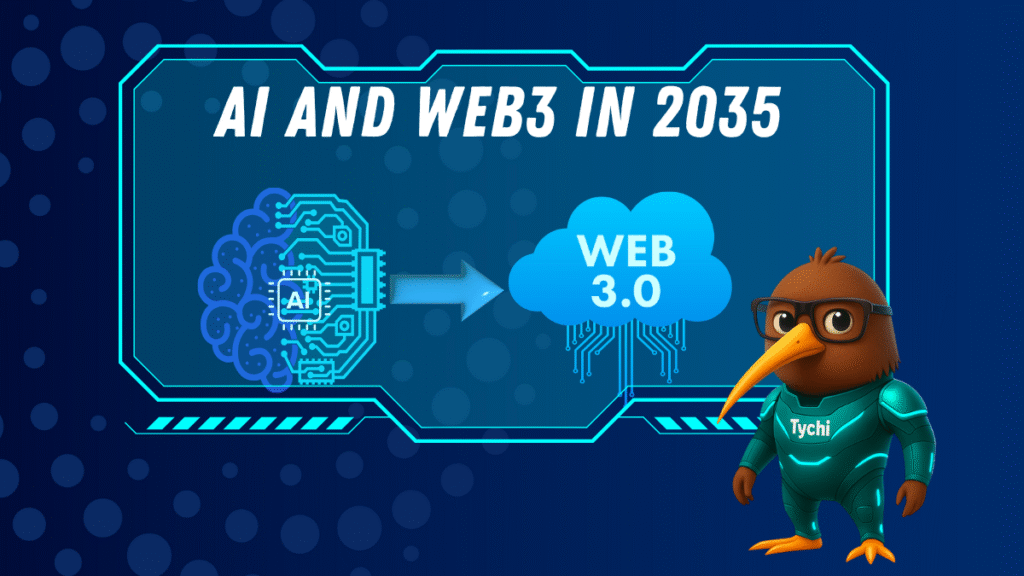
    In the next 10 years, two powerful technologies are expected to completely change how we use it: Artificial Intelligence (AI) and Web3. These technologies are not just upgrades—they’re helping build a better, smarter, and more user-friendly internet.

    In this blog, let’s explore how AI and Web3 are coming together to shape the future of the internet.

    What Is Web3 and Why Does It Matter?

    You’ve probably heard the term Web3, but what does it mean?

    This is the next version of the internet. In today’s Web2 world, most of the internet is controlled by big companies. They own your data and decide how you use their platforms.

    Web3 changes that. It’s built on blockchain technology, which allows users to own their digital content, control their data, and use apps that don’t rely on a single company. Tools like DeFi (Decentralized Finance), NFTs, and DAOs let people create, earn, and participate in new ways.

    In simple terms, it is about giving power back to the people.

    What Can Artificial Intelligence (AI) Do for Us?

    Artificial Intelligence, is already a big part of our daily lives. It helps power voice assistants like Siri or Alexa, improves search results on Google, answers questions through chatbots, and even helps doctors make better decisions. Basically, it helps machines learn from data so they can do tasks in a smart way.

    But right now, most of these systems are owned by large tech companies. They collect your personal data—like what you search, what you click on, or even your voice—and use it to make their tools better. They then make money from this data, often without asking you or giving you anything in return.

    This is where Web3 makes things better. When we combine Artificial Intelligence with Web3, users like you can have more control. Instead of giving away your data for free, Web3 can help make sure you choose what to share—and even get rewarded for it. It’s a way to make Artificial Intelligence work for you, not just big companies.

    How AI and Web3 Work Together

    When we bring these together, we can build a smarter and more fair internet. Here’s how:

    • Artificial Intelligence can offer smart, personalized services—while Web3 makes sure your data stays private and secure.
    • Users can earn rewards for sharing their data to train Artificial Intelligence models.
    • Every action taken by Artificial Intelligence can be recorded on a blockchain so it’s transparent and verifiable.

    For example, imagine an Artificial Intelligence tool that helps manage your finances. With Web3, you’ll be able to see exactly how it works, where your data goes, and even get paid for allowing it to learn from your habits.

    What Is ZK‑ML? (Zero‑Knowledge Machine Learning)

    A newer idea in this space is called ZK ML, which stands for Zero-Knowledge Machine Learning.

    It lets Artificial Intelligence prove it made a correct decision—without showing the data it used. This is useful in areas like healthcare or banking, where privacy really matters.

    For instance, an AI could help diagnose an illness and prove the result is accurate, but keep the patient’s medical records completely private. Thanks to Web3 tech, this level of privacy and trust is possible.

    What the Next 10 Years Could Look Like

    When AI and Web3 work together, they make the internet smarter and more fair. Artificial Intelligence gives you personalized tools, while Web3 keeps your data safe and under your control. You can even earn rewards for sharing your data, and all Artificial Intelligence actions can be recorded on the blockchain for transparency. For example, an Artificial Intelligence app that manages your money could show exactly how it uses your data—and reward you for it.

    Final Thoughts

    AI and Web3 are not just buzzwords—they’re the building blocks of a better internet. An internet where you’re in control, your data is protected, and you can benefit from what you share.

    Whether you’re a developer, a content creator, or just someone curious about the future, now is a great time to start learning about Artificial Intelligence and Web3. These tools are going to shape how we live, work, and connect online for years to come.

  • Crypto Scams, Rug Pulls, and Ponzi Schemes – What Can Web3 Learn?

    crypto scams

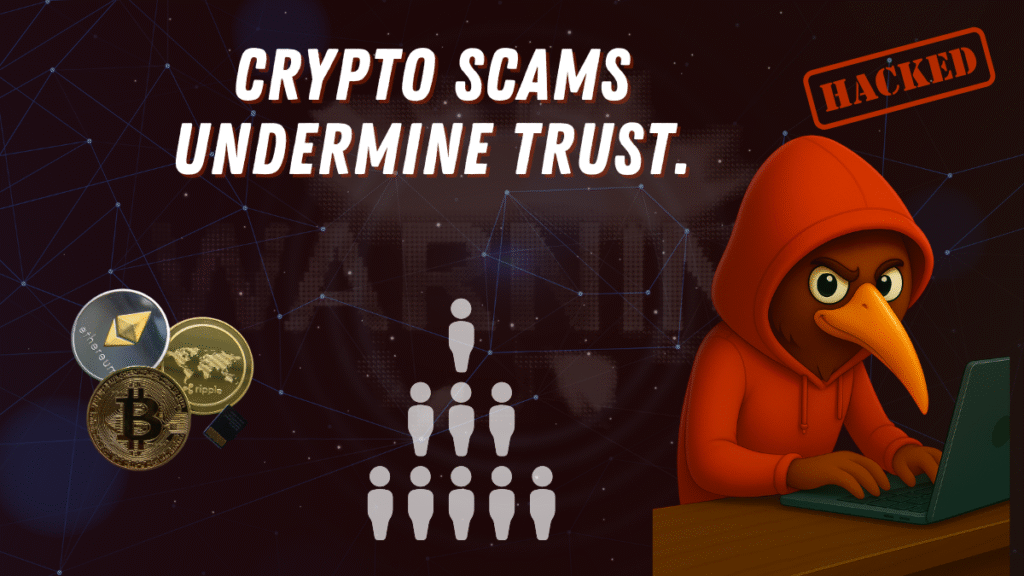
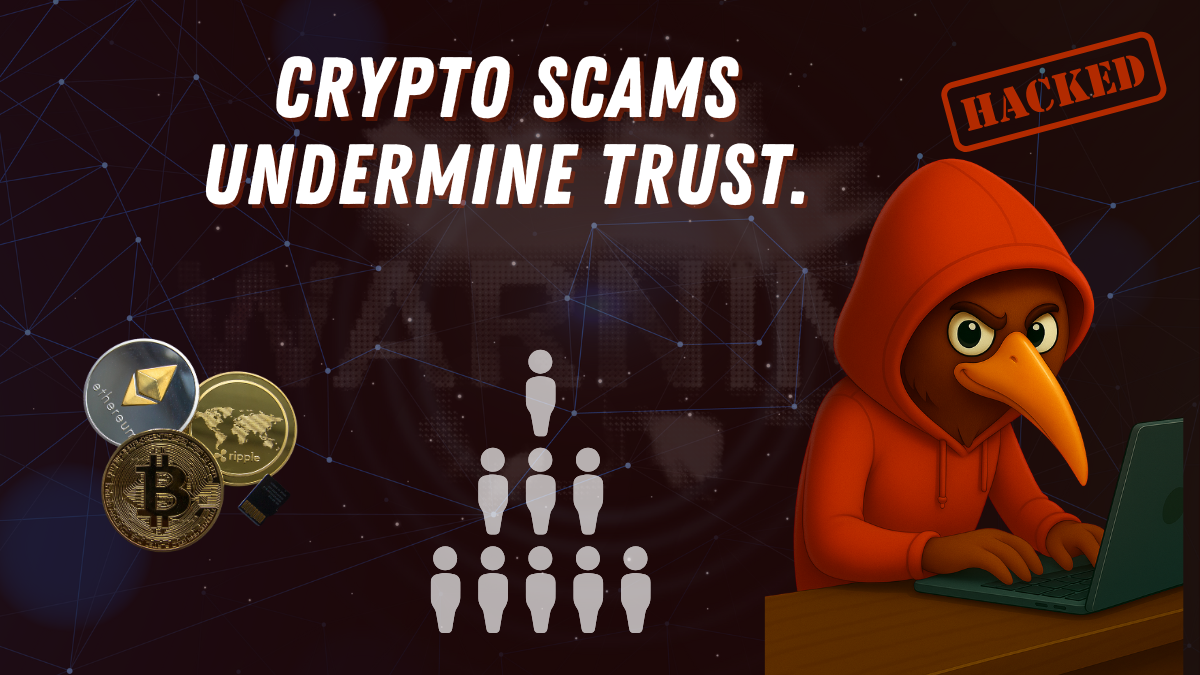
    The world of cryptocurrency is growing at lightning speed. New coins, tokens, and apps pop up every day. But along with progress comes a dangerous shadow: crypto scams. From rug pulls to Ponzi schemes, these tricks steal money and trust. This post explains common crypto scams in plain words, shows why they spread so fast in Web3, and shares clear steps for builders and users to stay safe.

    What Are the Most Common Crypto Scams?

    Rug pulls are the best‑known crypto scams. A team launches a shiny new token or NFT, hypes it on Twitter and Telegram, and attracts lots of buyers. Once enough money is locked in, the developers drain the cash and vanish. Investors are left with worthless tokens.

    Ponzi schemes are another classic form of crypto scam. They promise high, “guaranteed” returns—maybe 10 percent a week. Early investors do get paid, but only with money from new investors. When fresh cash stops coming in, the whole pyramid collapses.

    Fake crypto projects also fit the crypto scam label. They copy real‑looking websites and whitepapers, hire anonymous teams, and use FOMO (fear of missing out) marketing. There is no real product behind the scenes—only a plan to disappear once the founders cash out.

    Influencer pump‑and‑dumps deserve mention too. Some influencers take secret payments to promote tokens they know little about. Their followers buy in, the price rises, and insiders sell, crashing the market. That makes influencer shills yet another flavor of crypto scam.

    Why Do Crypto Scams Thrive in Web3?

    Web3 is open and global. Anyone can launch a token, write a smart contract, or raise money in minutes. While this freedom drives innovation, it also helps crypto scams grow:

    1. Decentralization and anonymity
      Developers can hide behind screen names, making it hard to trace them when things go wrong.
    2. No single rulebook
      Different countries have different—and often unclear—crypto laws. Scammers exploit these gaps.
    3. Complex technology
      Most people can’t read smart‑contract code or analyze tokenomics. Crypto scams count on that lack of knowledge.
    4. Hype culture
      Crypto moves fast. Prices double overnight, and everyone fears missing “the next big thing.” That pressure makes people click “Buy” before doing research.

    How Web3 Projects Can Build Trust

    Web3 does not have to be the Wild West forever. Honest builders can shut out crypto scams by focusing on four key pillars:

    1. Transparency
      Publish audit reports, whitepapers, and the real names of team members. The more a project shares, the less room there is for crypto scams to hide.
    2. Utility over hype
      A good project solves a real problem—cheap payments, better privacy, new forms of ownership—rather than pumping a price chart. Long‑term value beats short‑term hype.
    3. Community education
      Teach users how wallets, smart contracts, and risk management work. When people understand the basics, crypto scams lose power.

    Decentralized governance
    Let the community vote through DAOs (Decentralized Autonomous Organizations). Shared control prevents one person from running off with the money.

    How Users Can Spot and Avoid Crypto Scams

    Even with better projects, each investor must protect themselves. Here is a simple checklist:

    • Do Your Own Research (DYOR) – Read the whitepaper, check the roadmap, and look up the founders on LinkedIn or GitHub. If facts are missing, walk away.
    • Watch the tokenomics – Big insider allocations and zero lock‑up periods are warning signs of crypto scams.
    • Look for audits – Reputable projects pay outside experts to review their code. No audit often means bigger risk.
    • Test the community – Real users ask tough questions. Bots only shout “To the moon!”
    • Trust your gut on returns – “Risk‑free 20 percent a week” is almost always a crypto scam.
    • Protect your keys – Never share seed phrases or click unknown links. Use hardware wallets for large sums.

    Conclusion: Web3 Must Grow on Trust

    Crypto scams have cost the community billions and slowed mainstream adoption. Yet the promise of Web3—open finance, new digital ownership, and global access—remains strong. By demanding transparency, focusing on real utility, and educating one another, builders and users can turn hard lessons into a safer future. Trust is the true currency of Web3. When we fight crypto scams together, everyone wins.

  • Web2 vs Web3: What’s Broken and What is being Fixed

    web3

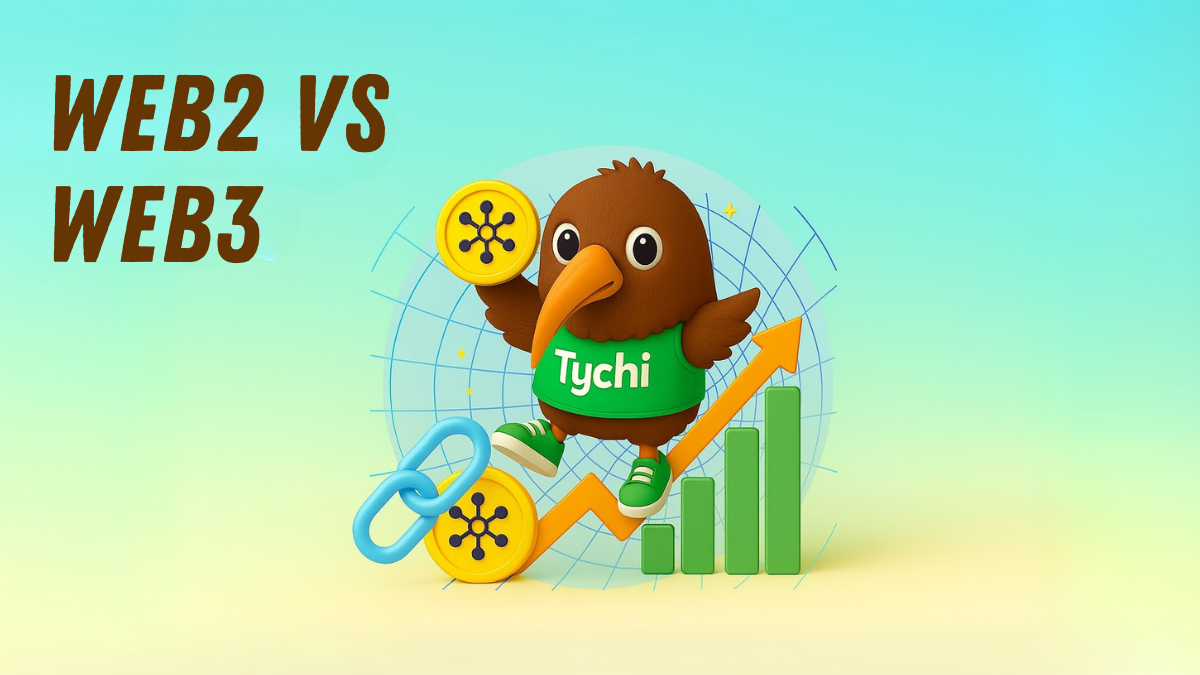
    As the internet continues to evolve, so do the structures that govern how we interact online. Web2 brought remarkable advancements, but it also introduced serious concerns around ownership, privacy, and control. Web3 aims to solve many of these issues. This post explores the shift from Web2 to Web3 — what’s broken, and how it’s being fixed.

    Table of Content

    • The Web2 Model Limitations
    • Web3: A Decentralized Response
    • A ­More Equitable Digital Economy­­
    • Challenges and the Road Ahead

    The Web2 Model Limitations

    The internet has undeniably transformed how we engage with the world. Web2, the version of the internet that emerged in the early 2000s, has fundamentally reshaped how we live, work, and connect. It gave rise to user-generated content, social networking, and interactive platforms that operate at massive scale. Yet, beneath the surface of this convenience lies a deeper issue: users often do not own their content, data, or digital identity. Instead, they function within ecosystems dominated by centralized corporations that dictate the rules of engagement.

    These entities determine what is seen and what remains hidden. They moderate visibility through opaque algorithms, enforce terms of service that can change without warning, and monetize content that users create—often without rewarding them in return. The value generated by the people using the internet is frequently captured by a small number of gatekeepers. As a result, those who don’t technically “own” the infrastructure but power it with their participation are often left out of its economic benefits. This imbalance underscores a critical flaw in the Web2 model—one that Web3 seeks to correct.

    Web3: A Decentralized Response

    Web3 represents an effort to correct this imbalance by redistributing power and ownership back to the users. At its core, Web3 is about regaining control of one’s online presence through decentralized technologies like blockchain, smart contracts, and decentralized applications (DApps). These technologies enable trustless interactions, removing the need for central intermediaries and allowing users to directly manage their digital lives.

    In this emerging system, individuals can truly own their digital assets—ranging from cryptocurrency and NFTs to personal data and identity. They can participate in decentralized governance through DAOs (Decentralized Autonomous Organizations), shaping the future of the platforms they use. Web3 users can also move seamlessly between applications and platforms without losing control of their data or compromising their privacy. The emphasis is clear: participation over permission, and ownership over access.

    A ­More Equitable Digital Economy­­

    This decentralized shift opens up new possibilities for a fairer and more inclusive digital economy. In the Web3 model, creators, developers, and users can monetize directly, earning value from their contributions without relying on centralized platforms to distribute rewards. The removal of intermediaries allows for a more transparent and equitable distribution of value.

    Open-source innovation is not only welcomed but encouraged, creating opportunities for anyone with skill and vision to build, contribute, and benefit—without seeking approval from corporate gatekeepers. Unlike the extractive models of Web2, where a few entities profited most, Web3 aspires to cultivate ecosystems where value is shared more fairly among all participants.

    Challenges and the Road Ahead

    While the vision of Web3 is bold and transformative, the journey is still in its early stages. Significant challenges remain. The technology behind Web3 is still developing, and the learning curve for new users is steep. Concepts like managing private keys, using wallets, or participating in DAOs require education and adaptation. Furthermore, security at scale remains an ongoing concern, particularly as these systems grow in complexity and reach.

    However, the direction forward is clear. While Web2 delivered speed, scale, and convenience, Web3 is laying the groundwork for an internet that emphasizes agency, fairness, and true ownership. The evolution of the web is not just a technological upgrade—it represents a societal shift toward a more inclusive, transparent, and accountable digital future.

  • Empowering Your Crypto Journey: Fall of Centralized Exchanges & Asset Protection

    crypto

    The promise of cryptocurrency was never about trusting middlemen. It was about removing them entirely. Yet, as the industry evolved, many users began treating centralized exchanges (CEXs) like traditional banks—and paid the price for it.

    The Illusion of Safety in Centralized Exchanges

    At its core, cryptocurrency is built on the principle of decentralization—empowering individuals to control their own digital assets without relying on intermediaries. This foundational idea fuels the rise of decentralized finance (DeFi) and secure non-custodial wallets. However, despite this vision, a large segment of the crypto community continues to store their cryptocurrency holdings on centralized exchanges (CEXs). Ironically, this reliance on third-party custodians mirrors the same traditional financial systems and banking institutions they once aimed to disrupt, undermining the goal of true blockchain ownership and financial sovereignty.

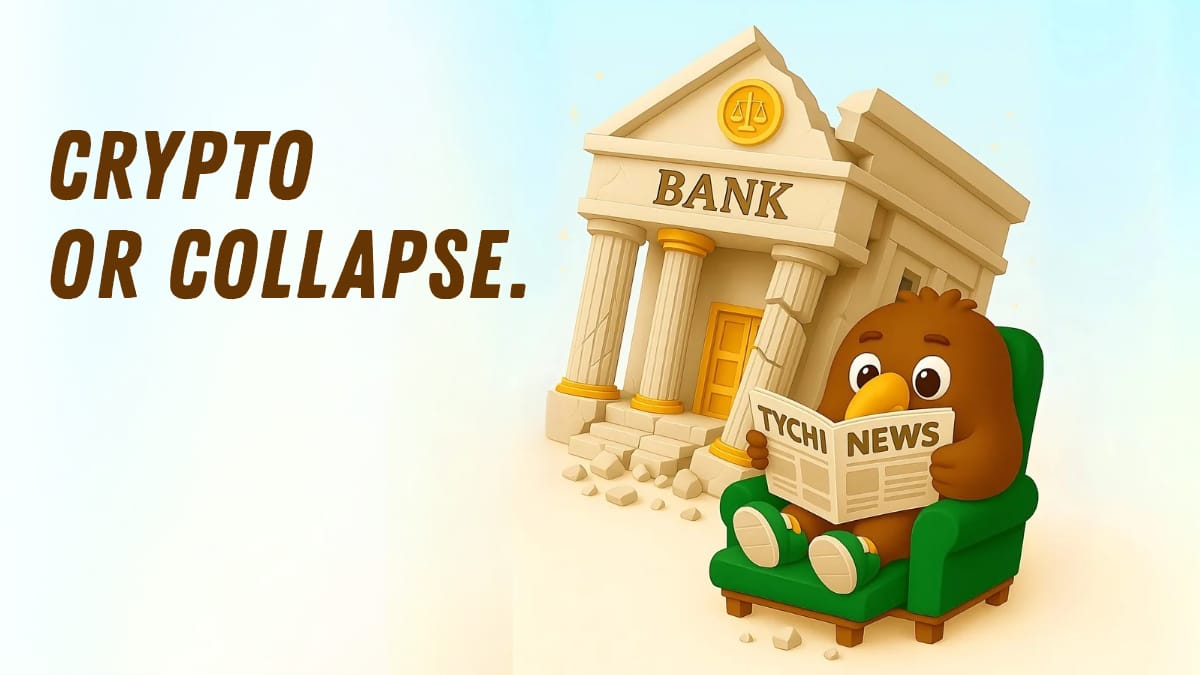
    Time and again, the fragility of centralized exchanges has been exposed. Events like the collapse of FTX, along with countless crypto exchange hacks, security breaches, and frozen withdrawals, reveal just how vulnerable these platforms truly are. These aren’t isolated failures—they’re critical warnings for anyone relying on centralized services for crypto asset storage.

    Such centralized entities can be compromised, mismanaged, censored, or even act against users’ interests—leaving individuals locked out of what’s rightfully theirs. These incidents are not anomalies—they are red flags. When you entrust your exchange with private key access, you give away control of your digital asset custody. And in the world of crypto, that control is everything. As the saying goes:

    If someone else holds your keys, they hold your crypto.

    Reclaiming Control Through Self-Custody

    This is where self-custody changes the narrative. It puts true ownership and control of digital assets back into your hands. With a non-custodial crypto wallet, you are the sole owner of your private keys, ensuring complete control over your funds. There’s no third party, no centralized authority, no bank-like exchange—just you and your assets secured on the blockchain.

    Today, self-custody solutions are more secure and accessible than ever. Thanks to innovations in decentralized wallets, private key management tools, multi-signature security, and hardware wallets, protecting your holdings is simpler and safer. This empowers users to confidently explore the full Web3 ecosystem—from DeFi protocols to NFT marketplaces—without compromising crypto security or digital sovereignty.

    True crypto ownership isn’t just a feature—it’s the foundation of decentralized finance.

    Self-Custody: A Mindset for Financial Freedom and Web3 Ownership

    As our global financial system continues to evolve, crypto self-custody is no longer just a technical option—it’s a philosophical choice. It’s about financial freedom, personal responsibility, and building resilience against centralized failures.

    The collapse of centralized exchanges isn’t just history—it’s a wake-up call. And the path forward is clear: awareness, blockchain education, and the widespread adoption of self-custody tools.
    Because the future of Web3 doesn’t belong to institutions.

    It belongs to those who choose freedom over dependency.

    The Future of Web3 Belongs to Those Who Choose Self-Custody and Financial Freedom

    The downfall of centralized exchanges is not just history—it’s a wake-up call for the crypto community. The message is clear: shift toward self-custody, adopt tools built for digital asset ownership, and stop depending on the very centralized platforms that blockchain technology was meant to replace.

    By embracing non-custodial wallets and prioritizing blockchain independence, users can reclaim control over their assets and fully participate in decentralized finance (DeFi).

    True crypto ownership isn’t just a feature—it’s the foundation of a secure, sovereign, and decentralized future.

    Because in Web3, ownership equals empowerment. True Web3 ownership and crypto self-custody give users full control and digital sovereignty. The future doesn’t belong to centralized institutions or custodial services—it belongs to individuals who embrace self-custody, secure their private keys, and choose freedom over dependency. By prioritizing self-custody and private key management, users unlock the full potential of decentralized finance (DeFi) and Web3 empowerment.

    Ready to take back control of your crypto?

    Start by exploring non-custodial wallets to take control of your assets and embrace true self-custody. Learn how to safeguard your private keys with the latest crypto security tools, ensuring full digital asset protection. This is your first step into a secure, sovereign Web3 experience—free from centralized control. In the era of decentralized finance (DeFi), the future of finance is in your hands—literally.